

We have all heard stories of nails being intentionally placed under the surface of sand in the playground, and I am sure most maintenance crews have occasionally found used needles in the playground.
As an independent Certified Playground Safety Inspector, I have done hundreds of inspections and impact tests and have found nails, needles, razor blades, and knives at many of the sites, but they were unintentional finds. I was not specifically looking for them.
A large contracting firm that I frequently work with recently contacted me because it had just completed construction of a sand volleyball court in a student housing complex and was ready to turn it over to the local college. The contractor was concerned about the liability for his company and was looking for a firm that could scan the sand to verify that there were no foreign objects in the sand.
I told him I thought it was a great idea, but I don’t provide the service and have never heard of anyone who does. A few days later, he called me back and said one of his other branches had recently hired a concrete cutting and boring company to scan a similar project. The firm normally used Ground Penetrating Radar equipment to scan concrete for conduit and rebar before doing the cutting. The same equipment is used in archeology to locate buried structures, and police forensics uses it to find buried bodies.
He sent me a copy of the report and the invoice because he wanted to convince me to provide the service. I looked at the price and said, “Wow, if you are willing to pay that cost, I am definitely interested, but I think that equipment is overkill and impractical for the project. I think we can do a better job cheaper and faster with a metal detector.” The Ground Penetrating Radar unit is mounted on a cart, so it cannot fit under or close to the play equipment, but the metal detector can.
I found a company that sold metal detecting equipment exclusively and told them what I was interested in. I was told that playgrounds are a favorite hunting ground for metal detecting hobbyists because it is easy digging, kids are always losing change out of their pockets, and women frequently lose wedding rings and other jewelry when they push their kids on the swings.
What I am looking for is the trash; they find lots of it. My customer did not want to hire a hobbyist—he wanted a professional firm with a license, professional liability insurance, and credibility. I found it interesting that when I filled in the warranty papers for the metal detector that I purchased, they wanted to know what I was going to use it for; they listed treasure hunting, coin hunting, and other recreational uses, but not business uses.
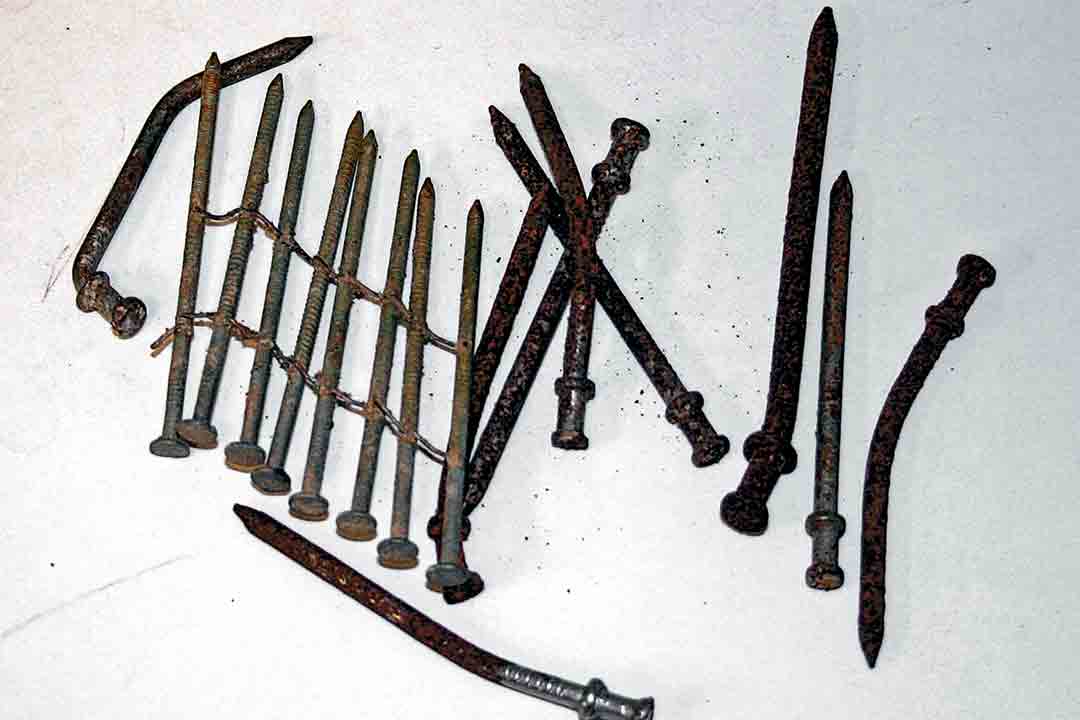
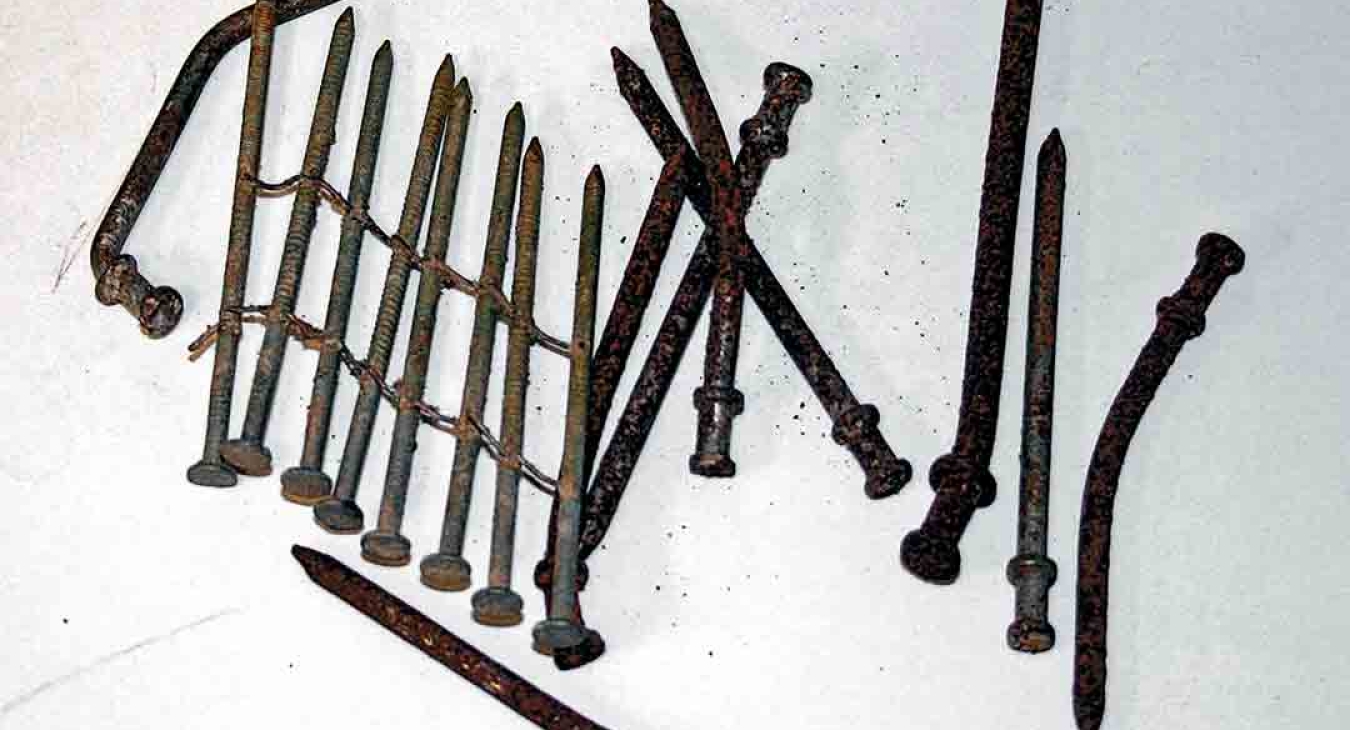
My first project was the aforementioned 2400-square-foot sand volleyball court. I found 19 nails. In this case, the problem was workers who carelessly disposed of used form nails from the containment curb, not someone intent on causing harm to the users of the court. Have you ever watched a competitive sand volleyball tournament? They dive into the sand to return the ball. Finding a nail on one of those volleys could be serious.
The contractor felt the money was well spent and recommended to the college that they include annual scanning in their maintenance program for the volleyball court. I thought I was well paid, and I have a new service to offer to my customers.
I don’t know how much business this will generate, but I think it is definitely a valuable service. It can be used for any type of loose-fill surface and is not limited to playgrounds. It can be used as a preventive maintenance procedure, and it can be used when you have an incident or when you find foreign objects and want to make sure you have eliminated all of it. This experience shows that even new playground and sand volleyball court surfaces can have hidden hazards. I really never thought that I would find nails in a new installation, but it makes sense, doesn’t it?
broken glass
What about broken glass that would not be detected with a metal detector?
Glass
Great point - definitely illustrates the importance of regular visual inspections.
In reply to broken glass by Carol Billon (not verified)
Add new comment