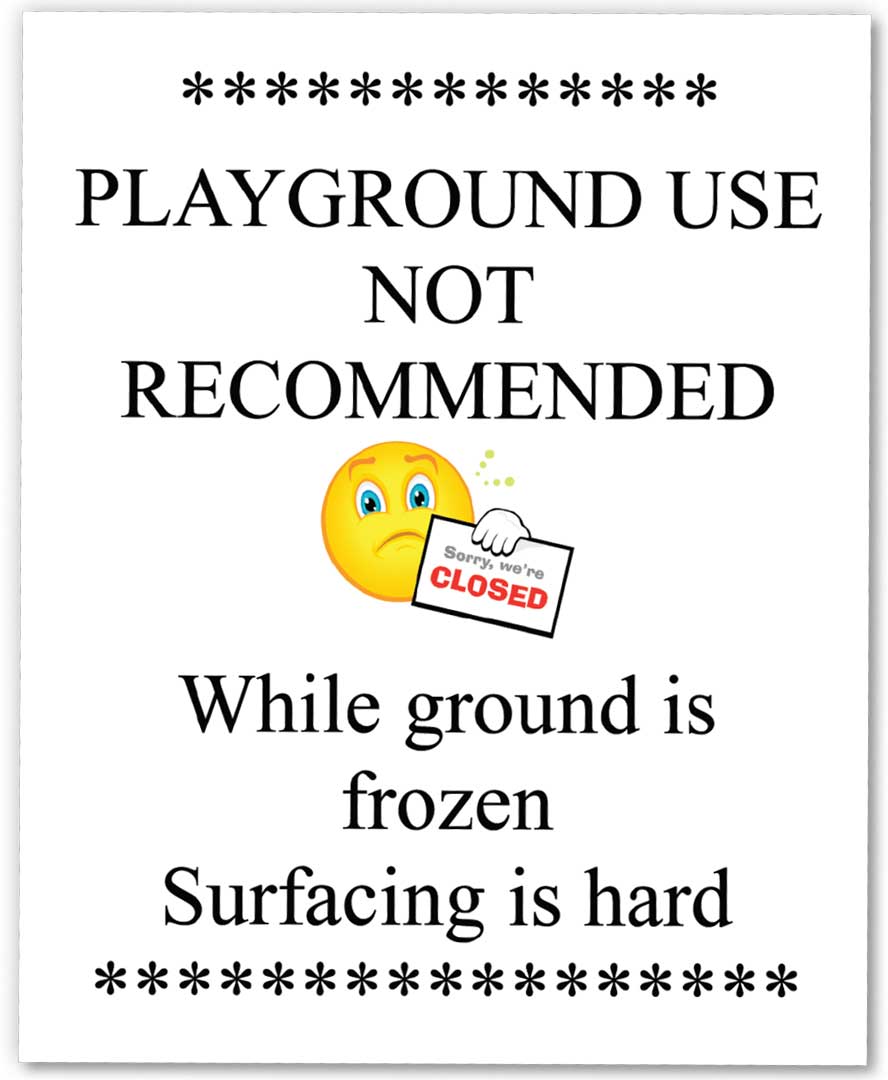


Dear Editor: After reading the series of articles about playground safety surfacing, I was concerned that frozen surfacing was not addressed. As the playground coordinator for the Town of Billerica, MA, we consulted our attorneys a few years ago and decided to post a sign over our rules sign at all six of our sites, warning people of this hazard. Do you agree that this is a big issue, and do others do this? -Sandra P. Libby Billerica, MA
We asked each of the four authors who helped with the story Libby referenced to address her question.
Ice and Snow Buildup on Poured-in-Place Surfacing
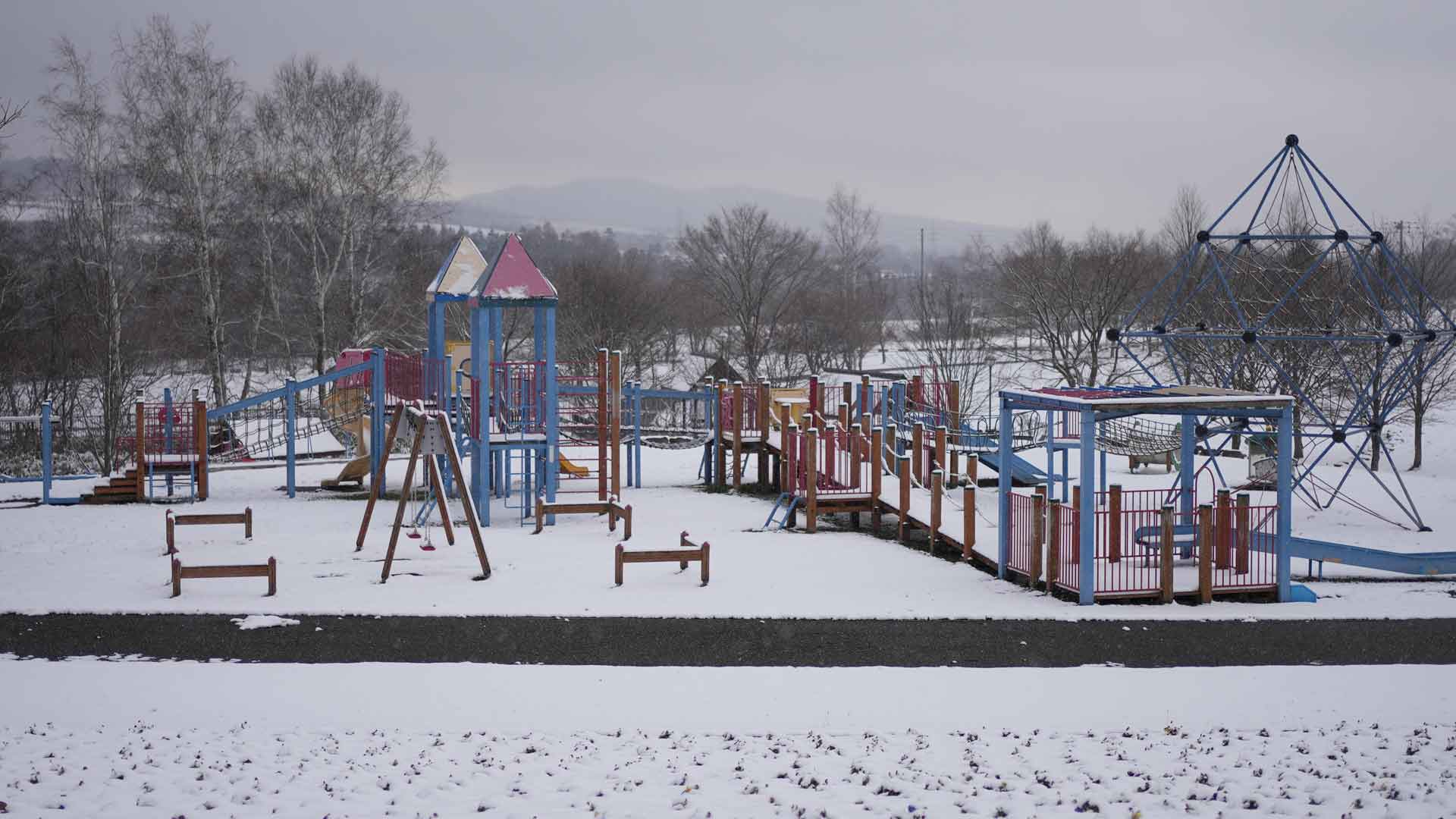
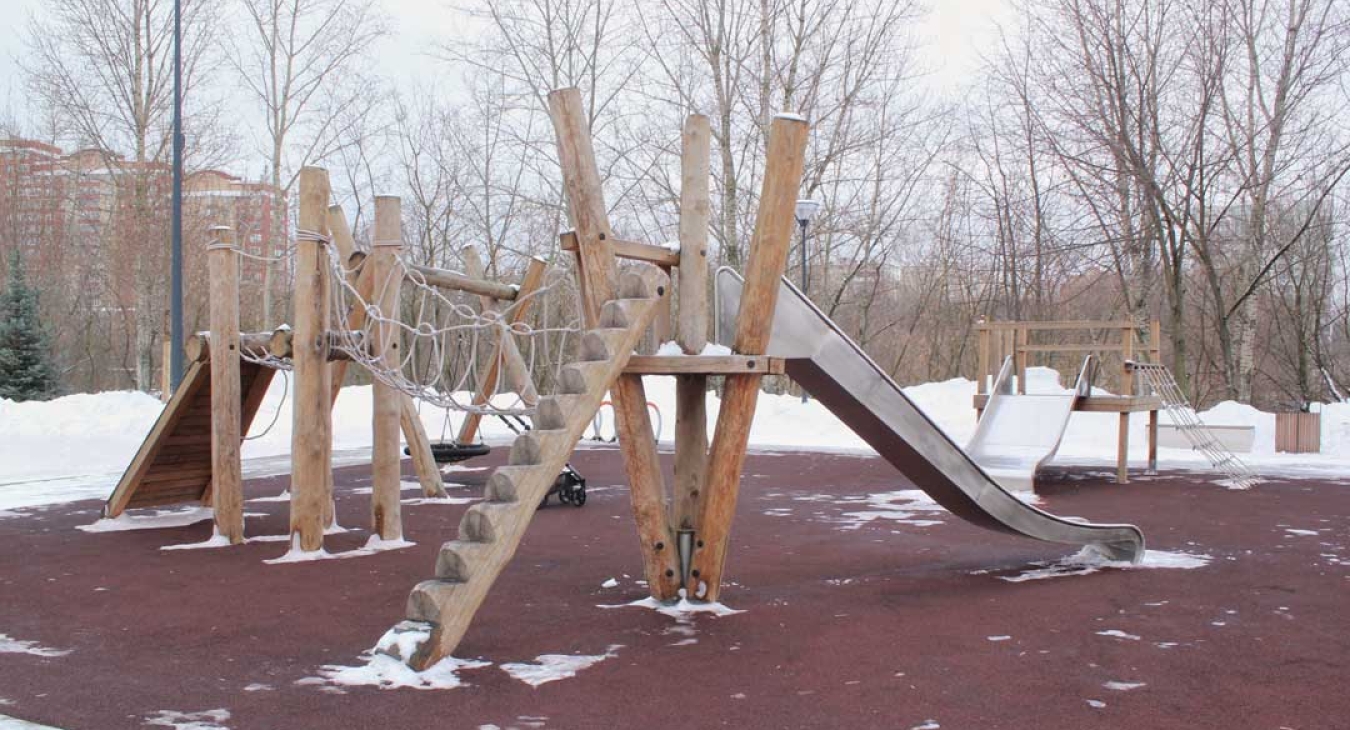
"There is some concern with the surface getting icy in the wintertime. Ice buildup on any surface will, by nature, make it harder and thus compromise the shock absorbency. They are wise by putting a warning sign at the playground or closing the playground if it has too much snow and ice. If they want to keep the playground open, they should remove the snow with a plastic shovel and use a product to melt the ice. They must be careful to use a product that doesn’t contain salt. There is a product called ELS Safe Melt that is very effective and won’t damage the poured-in-place surface," says Tom Di Scipio, Vice President of Operations, Surface America
Preventative Measures For Frozen Surfacing
Bob Zeager, Director of Surfacing Products, Zeager Brothers, says that regardless of the type of playground surface, he would recommend signage to warn people about playing on frozen surfaces.
"I have also heard of some cities in Canada removing the swing seats and chains for the winter."
Drainage Systems Help Reduce The Risk
His third recommendation is installing a good drainage system when replacing or installing a new playground surface.
I’m not an advocate of trenches or drain strips spaced 6 feet apart with some weed barrier cloth. I’m talking about a layer of drainage stone or drainage sheets that cover the entire playground surface and a gentle slope to a low point with a drain pipe to get the water collected at the low point out of the play area.
Installing a good drainage system can help by providing a place for unfrozen precipitation to drain out of the surfacing material, so when it does freeze, it’s in the drainage material, not the surfacing material. This can help if things warm up during the day or if you get a warm spell.
I have done impact testing in freezing conditions in the field (on the playground) and sometimes I achieve passing results and sometimes I have not. The presence of frozen precipitation is the biggest problem. When the surface is saturated and then freezes, it’s going to be a problem. A drainage system is the main thing you can do to de-saturate a surface.
Although ASTM F1292 (the standard for impact attenuation of playground surfaces) does require impact testing at temperatures below freezing, those tests are performed in a lab without the variety of precipitation that winter weather brings. In the field, precipitation becomes a factor that is constantly changing and can’t be consistently replicated in the lab. Even if it could, there isn’t much to do about it apart from drain systems or roofs. Surfaces will become less resilient in freezing temperatures, especially when you factor in precipitation and/or poor drainage. Put a good drainage system in, put up signage, and consider removing some things like swings for the winter.
Brad Pittam, General Manager, LTR Products (Pinnacle Rubber Mulch) says, "Frozen playground surfaces are a significant safety concern. With any playground design, drainage is key. Water must be allowed to flow freely under and away from the surface material."
If this doesn’t happen, water can collect and freeze within the safety surface and reduce its ability to provide head impact protection. Compounding this issue is the ability of some surfaces to absorb and collect water on their own. The combination of poor drainage and some surfaces absorbing water and freezing greatly reduces the surface’s head impact protection.
Loose materials that don’t absorb water, like rubber mulch, tend to perform better in winter conditions when the site is designed for proper drainage.
"Certainly, temperature extremes (both high and low) can have an adverse effect on the safety performance of playground surfacing. The degree to which the surface performance is affected will largely depend on the type of surfacing used, the age of the surface, how well it has been maintained, how well the site drains, and most importantly, the initial safety performance rating of the surface," says Jeromy Morningstar, Managing Director of SofSurfaces.
Post-Installation Surface Impact Testing
All playground protective surfacing must pass a safety standard called ASTM F1292. This standard requires testing of the surface’s ability to provide fall protection at three prescribed temperatures, with the low temperature being 21 degrees F. In theory, this means that a surface that has passed the standard will protect to at least this temperature. There are, however, factors that could negatively affect the performance rating as described above.
Unitary surfaces that have initial performance ratings well below the thresholds defined in the safety standard are much more likely to provide sufficient protection when frozen. However, the only way to know for certain whether or not a surface is providing sufficient protection would be to have the surface tested. Surface testing after the initial installation, and periodically throughout the life cycle of the surface, is something that is becoming increasingly common, as testing services become more available and cost-effective.
Posting signs may well serve as a warning to the public and may address some liability concerns but of course, they do not address the underlying issue of a potential safety hazard. To address those issues at the point of purchase, the purchasing contract should require lower HIC ratings, and post-installation testing should be required as part of the contract. If it can be reasonably expected that the playground will be used in low temperature environments, testing of the surfaces in the field should be included within the maintenance.